Our History

Save Elephant Hill emerged out of an successful land use struggle to protect a critical portion of a beloved open space area from the consequences of a planned luxury residential development on unstable land in El Sereno. Many longtime residents opposed this proposed development given their firsthand experience with the well documented dangers of construction on unstable hillside land nearby. Others were concerned about the potential for gentrification resulting from a speculative luxury development in a community that historically had been a haven for homeownership among working class Latino residents. While the struggle for land justice continues to this day, our focus has expanded to include prioritizing public access to this open space area and ensuring equitable environmental investments for Elephant Hill. The key milestones of our history are found below.
1984 — 2003
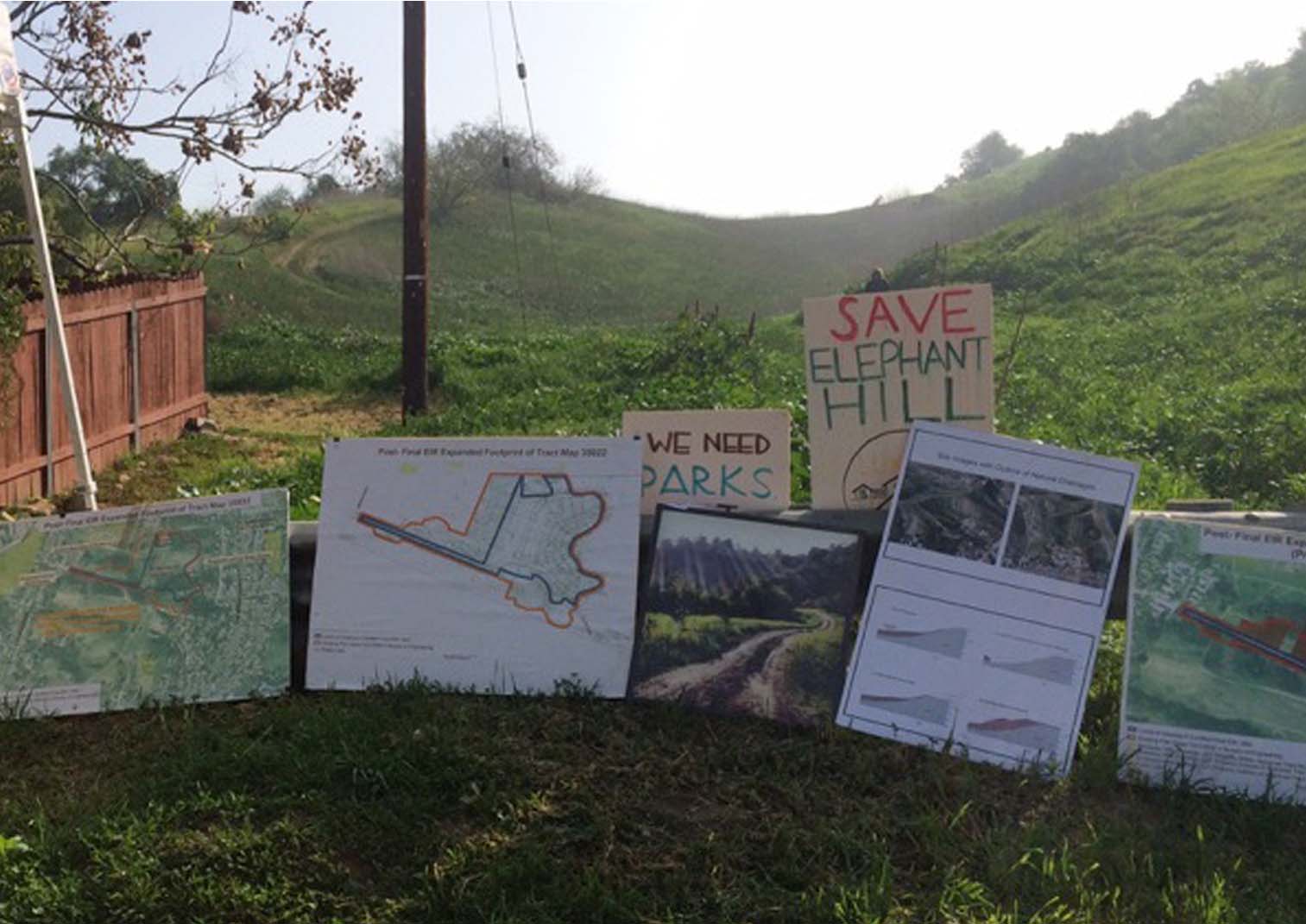
Protest signs - Save Elephant Hill
Notorious Developer Ignites Backlash
1984 A group of private real estate investors purchases 13 acres on Elephant Hill and move forward an incomplete Environmental Impact Report for the proposed development of 30 luxury homes on Elephant Hill.
1993–1994 Residents living in the neighborhoods surrounding Elephant Hill oppose the proposed development given the extensive damage and a $65 million legal settlement resulting from landslides at the adjacent Monterey Hills Condos development. Ignoring resident opposition and likely public health and safety risks, the LA City Planning Commission denies residents’ appeal of its initial decision and approves the project.
1995–2003 Amid a real estate downturn, the Greenhill project goes dormant until a developer operating through a limited liability corporation, registered in California as Monterey Hills Partners, purchases the Elephant Hill project, reviving it. The Sierra Club recognized this notorious developer’s work as being one of the most badly planned projects in California in 2000.
2004 — 2009
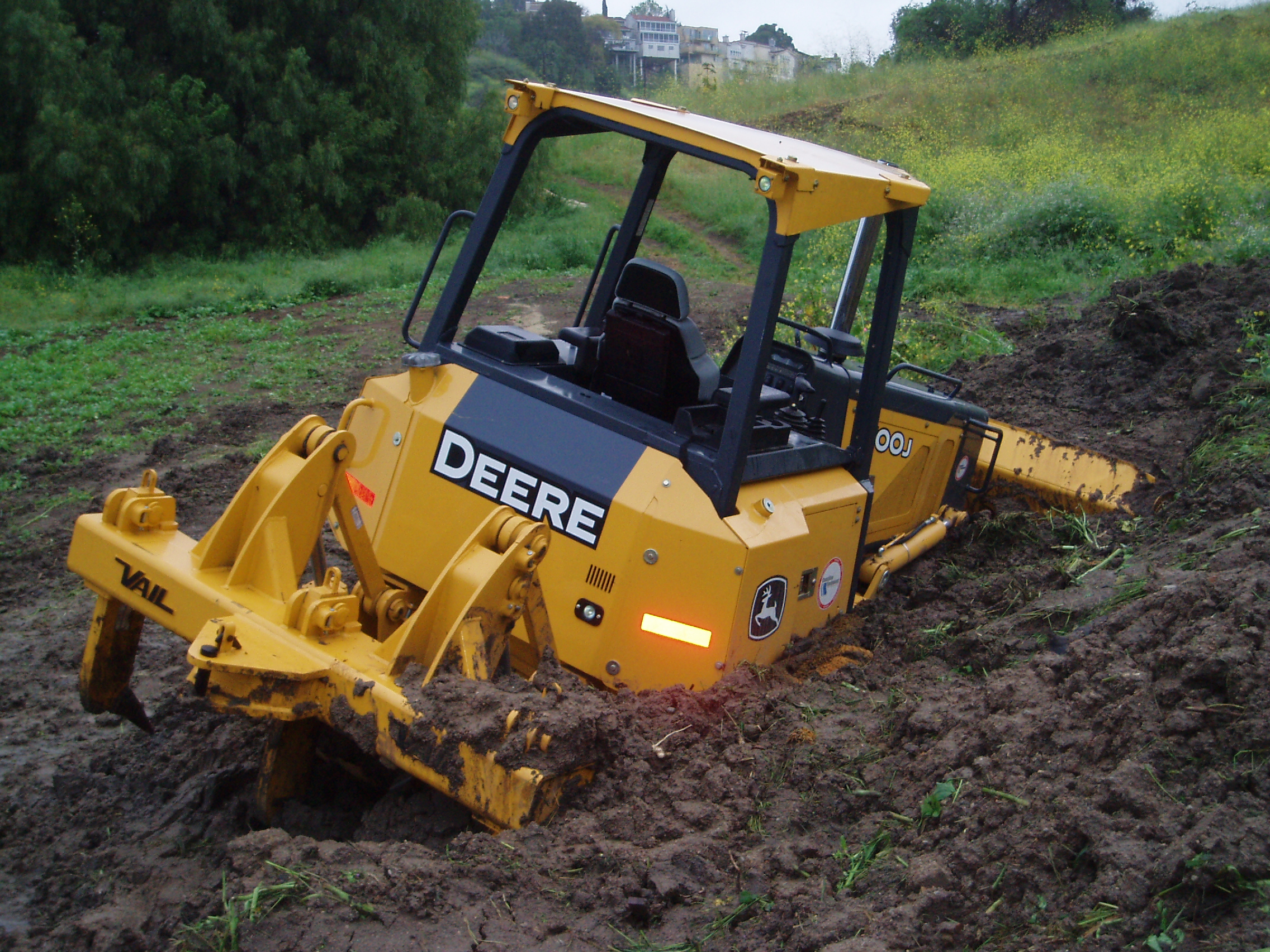
Construction equipment in sink hole after a rain
Intense Struggle To Defend Public Space
2004 As the project moves forward once again, Save Elephant Hill leaders organize residents to oppose the development. The new owner uses his influence and resources to subvert the City’s approval process, while quietly accumulating adjacent parcels of land.
2006 The developer’s construction equipment creates a sinkhole, revealing a natural spring and proof of an incomplete EIR—which omitted mention of water impacts. Public records confirm the developer had illegally doubled the project footprint, violating the California Environmental Quality Act (CEQA).
2007  The Los Angeles City Council directs the Planning Department to develop a Supplemental EIR for the proposed project; Save Elephant Hill wages an intense organizing and advocacy campaign, securing full Council approval after 10 hearings. After the developer sues the City, five residents and two nonprofit organizations intervene in the lawsuit.
2009 After an intense legal process, the City reaches a $9 million settlement with the developer, resulting in the City acquiring 20-acres on Elephant Hill and the developer withdrawing all plans and permits.
2010 — 2019
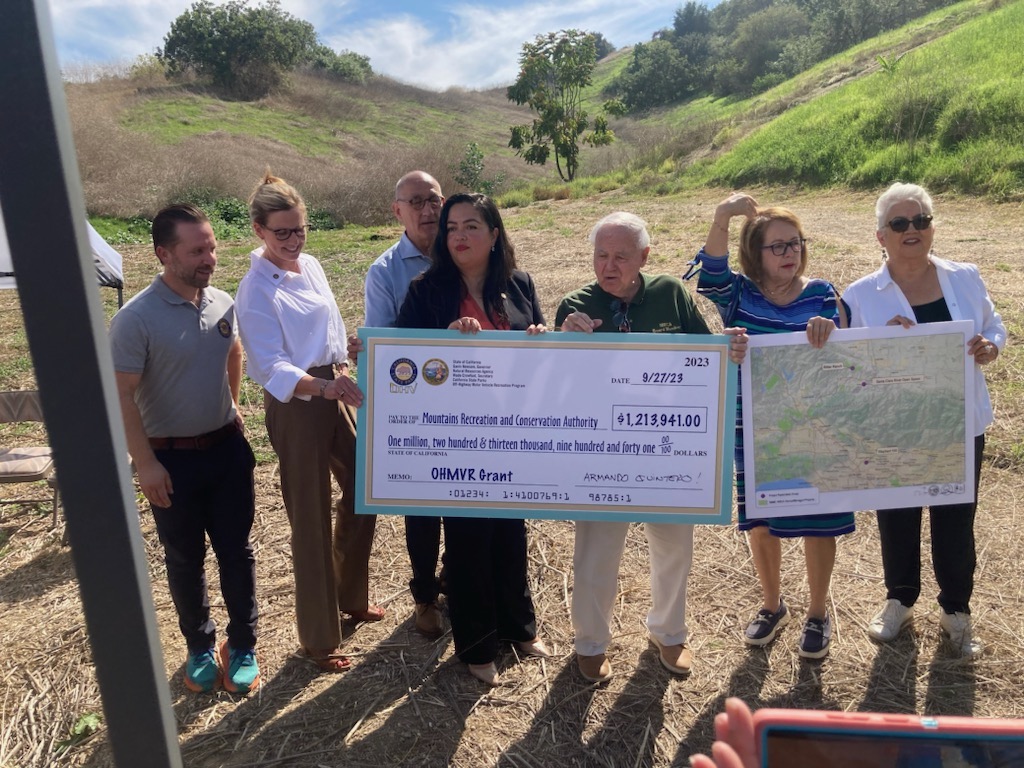
Receiving state funding. State legislators posing with community members.
Powerful Community Wins
2010 Seeing a pathway for an open space park, walking trails, and expanded conservation, the Mountains Recreation and Conservation Authority (MRCA) begins plans to acquire 5-acres on Elephant Hill, using voter-approved funds for conservation acquisitions (Prop 84).
2011–2014 The Santa Monica Mountains Conservancy approves funding for MRCA to move forward. In 2012, City- and MRCA-owned parcels on Elephant Hill are re-zoned as open space. In 2014, MRCA completes the purchase of 5 acres on Elephant Hill from the City of LA.
2016–2018 Save Elephant Hill meets with Supervisor Hilda Solis to make the case for directing $700,000 in LA County Proposition A funds towards MRCA to meet resident’s demands for trail development, hillside restoration and wildlife protections.
2020 — 2023
Pandemic Challenges & Preventing Off-Roading
2020 Illegal off-roading explodes across Elephant Hill during COVID lockdowns, fueled by social media attention.
2021 MRCA begins ranger patrols and works with Save Elephant Hill and the Natural Resources Defense Council to develop an off-roading mitigation plan.
2022 Despite LAPD patrolling with a loaned 4 x 4 vehicle and the City of LA replacing gates at three access points, off-roaders continue to regularly vandalize and breach the gates. Save Elephant Hill seeks technical support and guidance from the Off Highway Motor Vehicle Recreation Division (OHMVRD) of California State Parks.
2023 OHMVRD awards MRCA a $1.2 million grant for physical improvements, signage, ranger patrols and a robust public education campaign to prevent off-roading on Elephant Hill. As a subcontractor, Save Elephant Hill partners with five local groups to conduct public events and engage local stakeholders about the off roading problem.
2024 — 2026
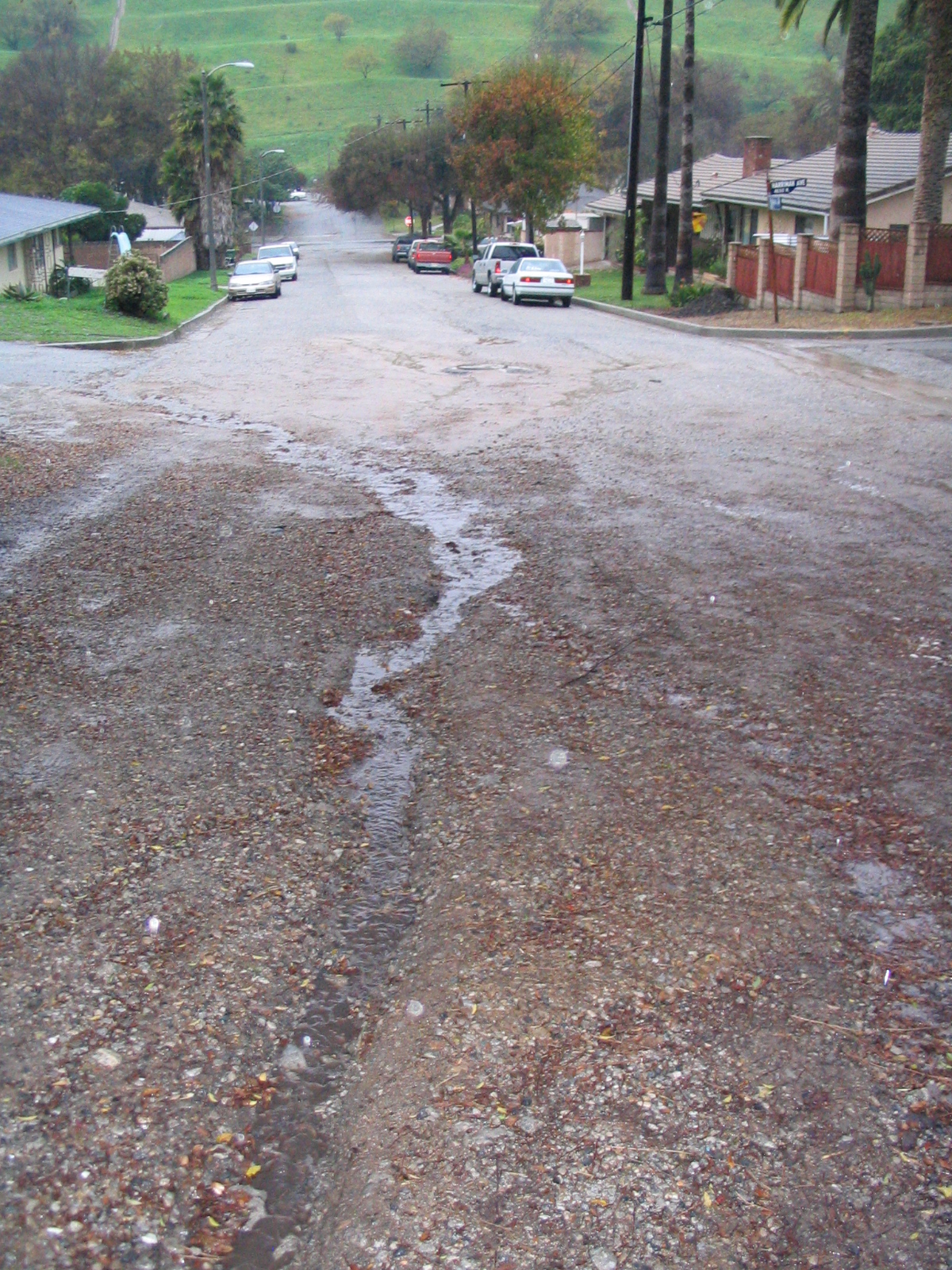
Mud and erosion from Elephant Hill after rain
Key Investments Begin
2024 Save Hill Elephant Hill leverages funds from LA County’s Safe Clean Water Program (SCWP) to ensure a feasibility study on nature-based stormwater improvements on MRCA’s open space area on Elephant Hill, and surrounding streets.
2025 Save Elephant Hill partners with North East Trees and secures a grant from the Water Foundation to conduct resident outreach and engagement to ensure community input as part of the SCWP feasibility study.

Responding to advocacy requests to expand its holdings in El Sereno, the Santa Monica Mountains Conservancy votes to allocate $2 million for additional acquisitions on Elephant Hill by the MRCA.
2026 With funding from the Santa Monica Mountains Conservancy, Save Elephant Hill initiates planning and design work to support future acquisitions; a key outcome of our efforts will be a community-centered conservation toolkit to guide future conservation work on Elephant Hill by MRCA.